Facilitator Recruitment

Facilitator recruitment

Design and lead an original roundtable course, and learn together with participants in the cultural plains.

Application deadline: May 17, 2026, 23:59 (GMT+8)

01

Application info

Camp locations
  • Zunyi, Guizhou(Aug 2–9)
  • Cili County, Zhangjiajie, Hunan(Aug 10–17)
  • Harbin, Heilongjiang(Aug 3–10)
  • Zhongshan, Guangdong(Jul 17–24)
  • Guiyang, Guizhou(Jul 24–31)
Eligibility
Currently enrolled in or graduated from undergraduate programs
Deadline
May 17, 2026, 23:59 (GMT+8)
Recruitment mode
Recruitment by camp; each camp closes when filled
Important notes
Zhihe provides accommodation and insurance for all facilitators during roundtables, plus modest subsidies for those with special financial need
How to apply
Apply via QR code questionnaire in the WeChat article (Chinese)Apply via WeChat article (Chinese)

02

Who we're looking for

Zhihe roundtable facilitators

At Zhihe roundtables, each facilitator plays three key roles: curriculum designer, discussion leader, and knowledge sharer.

Curriculum Designer

Each facilitator freely designs and refines a course centered on reading, critical thinking, and discussion based on their expertise and interests. We expect courses with these qualities:

  • Not broad surveys, but courses woven from specific questions
  • May focus on one field of general education or blend several
  • Core questions allow diverse, multi-dimensional, open interpretations—not single correct answers

Discussion Leader

Participants' expression, inquiry, and intellectual growth are the core purpose of Zhihe roundtables. Facilitators are not lecturers; their job is not to “teach well” but to organize discussion so participants express their views and train critical thinking.

  • Ask questions
  • Summarize responses
  • Ask follow-up questions—a cycle used in most discussion segments

Knowledge Sharer

After each discussion phase, facilitators may share established knowledge from a more “professional” academic angle. For example, after discussing rights, a political science facilitator might share Hobbes, Locke, and Rousseau on rights and the state. Such sharing comes after discussion, as academic synthesis. Facilitators may respond to participants' questions at any time.

03

Summer camp introduction

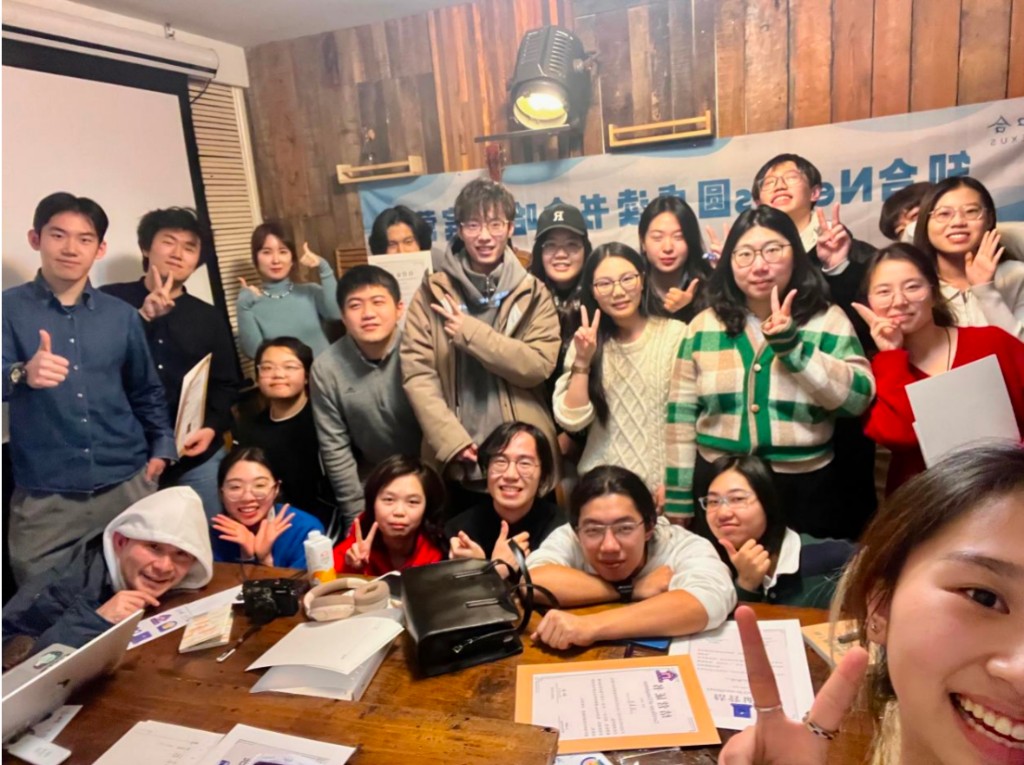
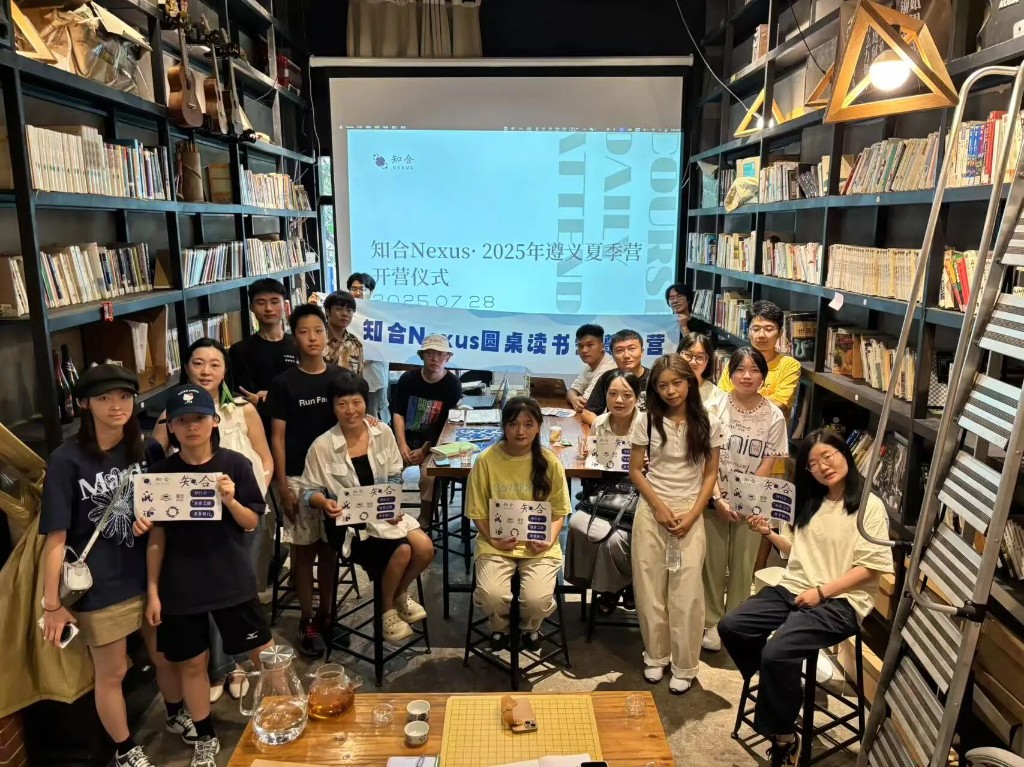
Past camp scenes

04

Application & admission process

01Application

Before deadline (May 17, 2026, 23:59 GMT+8)

Complete the application questionnaire via QR code or link in the WeChat article. The core content is your course outline—not necessarily detailed, but clearly showing:

  • Core theme, logic, and framework of the course
  • Daily discussion questions for the 7-day program (main question plus 2–3 sub-questions)
  • Other teaching segments that reflect your personal design
  • Related reading materials

Daily teaching + reading totals 2.5 hours; suggested reading time within 45 minutes.

02Interview

1–14 days after application

If your application shows alignment with Zhihe roundtable values and solid basic disciplinary literacy, we will invite you to an online interview including:

  • A ~20-minute simulated roundtable demonstrating your designed segments and ability to respond to discussion
  • Further questions from Zhihe curriculum team members

Zhihe commits that interview staff will not know your age, gender, school background, or work history in advance, and will not actively ask for this information during the interview. Evaluation covers syllabus design, academic ability, and discussion facilitation.

03Admission

No later than 10 days after application deadline

All applicants will be notified of admission; if admitted, please confirm promptly.

04Training

Before summer reading camp (May–June)

All facilitators receive about 8–10 hours of teaching training and camp guidance. Please watch for notifications.

Past exemplary Zhihe syllabi

Download from Baidu Netdisk· Password: 9769

Contact

For questions, add Zhihe Nexus assistant on WeChat with note “Roundtable Facilitator Inquiry”.

Mission

We build communities for critical thinking, discussion, and collaborative learning among young people facing unequal access to education in China's cultural plains.

Vision

More cities, more possibilities for education